
Blog
Can a Chiropractor Diagnose a Concussion? Diagnosis, Symptoms, and Care
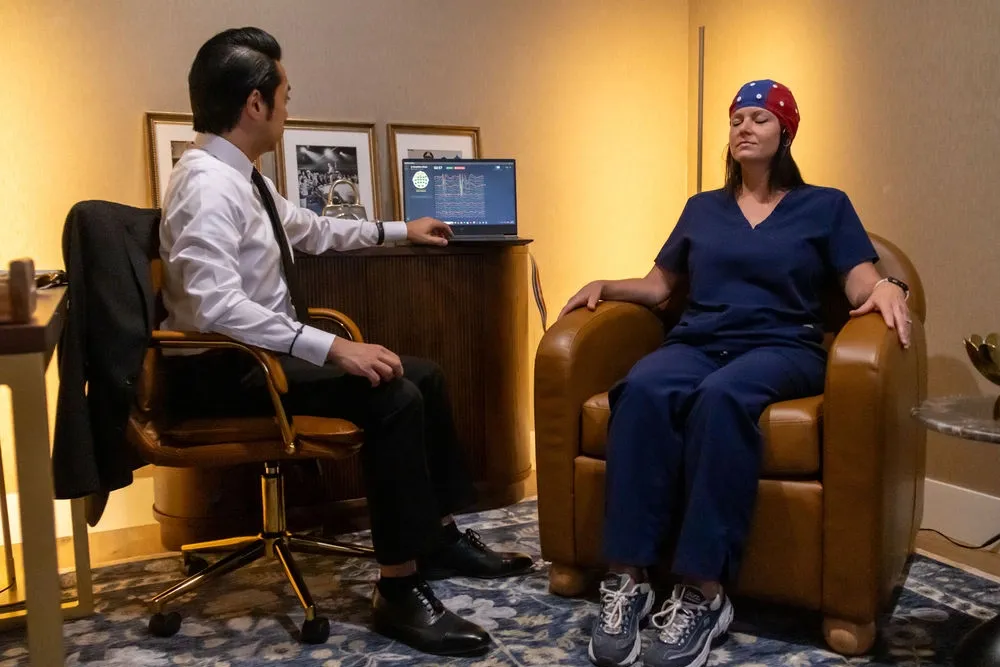
A bump to the head can feel unsettling, especially when symptoms like dizziness, headaches, brain fog, or neck discomfort linger afterward. Sometimes you may feel fine at first, then notice hours later that something just doesn’t feel quite right. It’s natural to have questions about what you’re experiencing, what your next steps should be, and who you can turn to for the right care.
At Begin Within Family Wellness, we provide upper cervical chiropractic care in Scottsdale for patients dealing with concerns that include concussions and dizziness. Chiropractic care does not replace emergency or other necessary medical evaluation after a head injury. Instead, a chiropractic evaluation may help determine whether neuromusculoskeletal problems that fall within chiropractic practice are also contributing to symptoms.
What Is a Concussion?
A concussion is a type of mild traumatic brain injury, or mild TBI. It can happen after a bump, blow, or jolt to the head or after a hit to the body that causes the head and brain to move rapidly back and forth.
You also do not have to lose consciousness to have a concussion.
Concussion symptoms vary from person to person and may not always appear immediately. According to the CDC, symptoms can affect how you feel, think, behave, and sleep.
Common symptoms can include:
- Headache
- Dizziness or balance problems
- Nausea or vomiting
- Sensitivity to light or noise
- Vision problems
- Feeling foggy or slowed down
- Difficulty concentrating
- Memory problems
- Fatigue
- Irritability or emotional changes
- Changes in sleep
Because these symptoms can overlap with other health problems, symptoms alone should not be used to determine whether you have a concussion.
How Is a Concussion Diagnosed?
There is not one single test that confirms every concussion.
A healthcare provider typically evaluates the circumstances surrounding the injury, your symptoms, and how you are functioning. Depending on the situation, the evaluation can include a physical examination and tests of memory, concentration, learning, problem-solving, and other neurological functions.
One common misconception is that everyone with a concussion needs a CT scan or MRI. In reality, brain imaging is generally not required simply to identify a mild TBI or concussion. Imaging may be appropriate when a healthcare provider is concerned about a more serious injury, such as bleeding inside the skull.
This is why a professional evaluation matters. A healthcare provider needs to consider the injury itself, your symptoms, physical findings, and whether anything suggests that further testing or emergency care is necessary.
Can a Chiropractor Evaluate You After a Concussion?
A chiropractor can evaluate aspects of your condition that fall within chiropractic scope of practice.
Arizona law identifies a doctor of chiropractic as a portal-of-entry healthcare provider. The state's chiropractic scope includes physical and clinical examinations, certain diagnostic procedures, and diagnosis and care involving specified neuromusculoskeletal conditions. Chiropractors may also use their examination to determine whether referral to another licensed healthcare professional is appropriate.
That distinction matters.
A chiropractic evaluation after a suspected concussion should not be presented as a substitute for appropriate medical assessment of an acute brain injury. The CDC recommends that people with a possible mild TBI or concussion be evaluated by a healthcare provider.
For someone who has already received appropriate evaluation, a chiropractor may assess related musculoskeletal concerns, including the neck and upper cervical region, and determine whether chiropractic care is appropriate within the chiropractor's scope.
Why the Neck May Need Attention After a Head Injury
A force strong enough to move the head suddenly can also place stress on the neck.
That means someone recovering from a concussion may be dealing with more than one source of symptoms. Headache, dizziness, neck discomfort, and balance problems can occur after concussion, but similar complaints may also accompany musculoskeletal injuries.
This overlap is one reason a careful evaluation is important rather than assuming every symptom has the same cause.
At our Scottsdale office, our focus is upper cervical chiropractic care. When evaluating someone after a concussion or similar injury, we look at the patient's individual situation and determine whether there are neuromusculoskeletal findings appropriate for chiropractic care.
If something falls outside our scope or requires another type of healthcare evaluation, referral is an important part of responsible care.
When Should You Seek Emergency Care After a Head Injury?
Some symptoms after a head injury require immediate medical attention.
The CDC advises seeking emergency care for danger signs that can include:
- A headache that gets worse and does not go away
- Repeated vomiting
- Seizures or convulsions
- Weakness, numbness, or decreased coordination
- Slurred speech
- Increasing confusion, agitation, or unusual behavior
- One pupil appearing larger than the other
- Loss of consciousness
- Extreme drowsiness or difficulty waking up
These symptoms can indicate a potentially more serious brain injury and should not wait for a routine chiropractic appointment.
If you are unsure about the severity of an injury, seeking appropriate medical evaluation is the safer course.
What Happens During a Concussion Evaluation?
The exact process depends on the healthcare professional and your circumstances, but an evaluation commonly begins with questions about what happened.
You may be asked:
- How the injury occurred
- Whether you lost consciousness
- Whether you experienced memory loss
- Whether you had a seizure
- Whether you have had previous concussions
- What symptoms appeared afterward
- Whether those symptoms are improving or worsening
A healthcare provider may then perform a physical examination and evaluate functions such as balance, memory, concentration, and thinking.
A chiropractic examination has a different focus depending on the patient's presentation. At Begin Within Family Wellness, our chiropractic care focuses on the upper cervical region and neuromusculoskeletal system.
Our goal is to determine whether chiropractic care is appropriate for what we find, rather than assuming that every post-concussion symptom should be treated the same way.
Can Chiropractic Care Help After a Concussion?
This question needs an important distinction: chiropractic care is not a substitute for appropriate diagnosis and management of the brain injury itself.
Where chiropractic care may become relevant is when an appropriate evaluation identifies neuromusculoskeletal issues that fall within chiropractic scope.
For example, someone may continue experiencing neck discomfort, headaches, dizziness, or other symptoms following an injury. Because these symptoms can have different causes, evaluation comes before treatment.
Our approach is therefore not simply, "You had a concussion, so you need an adjustment."
Instead, we evaluate your individual presentation and determine whether upper cervical chiropractic care is appropriate for the musculoskeletal component of your situation.
You can find more information about our chiropractic care for concussions and dizziness and what to expect from care at our Scottsdale office.
How Long Do Concussion Symptoms Last?
Recovery varies from person to person.
Many people gradually improve after a mild TBI, but some symptoms can continue for weeks or longer. The CDC recommends talking with your healthcare provider if symptoms do not resolve within two to three weeks or become worse after returning to normal activities.
Recovery should therefore be based on how you are actually progressing rather than an arbitrary deadline.
Your healthcare provider can also give you instructions about safely returning to activities such as work, school, driving, exercise, and sports.
Should You See a Concussion Chiropractor in Scottsdale?
If you suspect that you have just sustained a concussion, the first priority is appropriate evaluation for the head injury and determining whether you have any signs requiring urgent medical care.
If you have already been evaluated and are experiencing ongoing symptoms that may involve the neck or neuromusculoskeletal system, chiropractic evaluation may be another part of your care.
At Begin Within Family Wellness, we provide upper cervical chiropractic care for patients in Scottsdale, Paradise Valley, and the greater Phoenix metro area. Our team can evaluate whether your presentation includes issues appropriate for chiropractic care and discuss what the next steps may look like.
If you're experiencing ongoing concerns after a concussion or head injury, call us at 480-699-3086 to discuss scheduling an evaluation.
Frequently Asked Questions
Can a Chiropractor Tell If I Have a Concussion?
A chiropractor can perform examinations within the chiropractor's legal scope and evaluate neuromusculoskeletal problems associated with an injury. However, suspected concussion is a brain injury and warrants appropriate healthcare evaluation. Arizona chiropractors are portal-of-entry healthcare providers, but their statutory diagnostic and treatment scope has defined limits.
Do I Need an MRI or CT Scan to Diagnose a Concussion?
Not necessarily. The CDC states that brain scans such as CT scans generally are not needed to identify a mild TBI or concussion. Imaging may be used when a healthcare provider needs to investigate the possibility of a more serious injury, such as bleeding in the brain.
Can You Have a Concussion Without Losing Consciousness?
Yes. Loss of consciousness is not required for a concussion. A person can remain awake throughout an injury and still experience a concussion.
Should I See a Chiropractor Immediately After Hitting My Head?
If you have a possible concussion, prioritize appropriate healthcare evaluation, especially if you have new, severe, or worsening symptoms. Emergency danger signs such as repeated vomiting, seizures, worsening headache, weakness, slurred speech, increasing confusion, or difficulty waking require immediate emergency medical attention.
Why Does My Neck Hurt After a Concussion?
The force involved in an injury can affect more than one part of the body, and neck symptoms may occur alongside concussion symptoms. Because headaches, dizziness, neck discomfort, and other complaints can have multiple causes, a professional evaluation can help determine what may be contributing to your symptoms.
When Should I Seek Additional Help for Lingering Concussion Symptoms?
Talk with your healthcare provider if symptoms are getting worse or are not resolving. The CDC specifically recommends follow-up when symptoms have not gone away within two to three weeks or become worse after returning to normal activities.
Send a message